Reviews
Honest, unaffiliated movie reviews. One rating out of ten, no spoilers above the fold.
No reviews match that. Search matches the film title only.
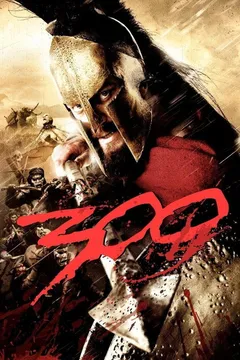
300
Entertaining from front to back, and it never pretends to be anything more ambitious than that. It knows exactly what it is and commits completely, which is more than most films of its kind manage. The fight sequences are the reason it stuck. Nothing else at the time looked like this: the speed ramping, the way a single strike gets stretched out and then snapped back, the whole thing staged more like a moving painting than a battle. It has been imitated so many times since that it is easy to forget how strange it looked the first time. The iconic scenes have outlived the film itself. Lines and images from this have been quoted, parodied and put on merchandise for years by people who never sat through the whole thing. That is its own kind of achievement, and the movie earns it.
Released
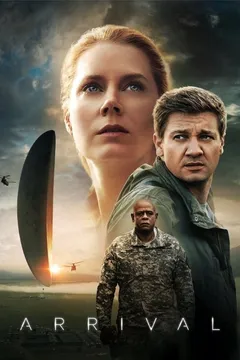
Arrival
One of my favourite movies of all time. The story, the screenplay and Villeneuve's direction all pull in the same direction, and there is nothing in it that feels wasted or added to fill time. What still amazes me is that it takes something as dry as a language barrier and makes it the most gripping thing on screen. The film is patient about it. It lets you sit with the difficulty of two sides trying to understand each other with no shared ground to start from, and it trusts you to find that interesting rather than cutting away to something louder. Most films would not risk it. It is a long, quiet movie and it never loses you. The tension is not built out of action, it is built out of not knowing, and the film keeps tightening that without ever raising its voice. The ending is as close to perfect as this kind of story gets. It reframes everything you have just watched, and instead of feeling like a trick it feels earned. I have watched it more than once knowing exactly what is coming, and it still lands.
Released
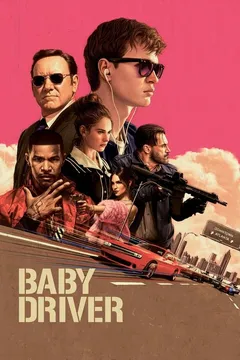
Baby Driver
I like this movie a lot, and a good part of that is the music. The choice of tracks runs through the whole film rather than sitting on top of it. The cuts, the steps, the gunfire and the gear changes are all timed to whatever is playing. Most films put a soundtrack over the action. This one builds the action to fit the soundtrack, and you can feel the difference. Good performances all around, and nobody feels like they are coasting. The story is admittedly a little all over the place. There are threads that come and go, and the back half gets busier than it needs to be. But it keeps coming back to him and his love interest, and that relationship is what holds the whole thing together when the plot wanders. The driving sequences are the other reason to watch it. They stay interesting the whole way through instead of blurring into one another, which is rare. Most chase films run out of ideas after the second one. These keep finding new things to do.
Released
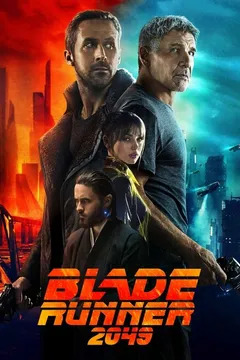
Blade Runner 2049
Classic Villeneuve. The cinematography is beautiful in a way that is hard to overstate, and the film is confident enough to hold on an image long after another director would have cut away. The story takes its time. It works through its ideas slowly and lets them sit, and there are long stretches where very little happens in terms of plot while a great deal happens in terms of mood. That will lose some people. For me it is the point. The slowness is what makes the world feel lived in rather than designed. What stays with you afterwards is the world building. Every place in this film feels like it existed before the camera arrived and will keep going after it leaves. You come out of it in awe of the thing that was built more than gripped by what happened in it, and I think the film knows that and is fine with it.
Released
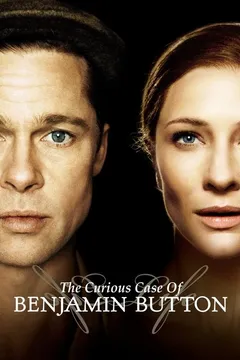
The Curious Case of Benjamin Button
A beautiful film about love and perseverance, and about the sacrifices people make for one another. The premise is strange enough that it could have been a gimmick, and instead it is used to say something simple and true: that people are always slightly out of step with each other, and the time you get where you actually match up is short. It is also unusually clear-eyed about the fear of Alzheimer's and what getting older takes from you. That thread is the quiet one running under everything, and it is handled without sentimentality. Watching someone lose themselves is treated as the ordinary tragedy it is, not as a plot device. Cate Blanchett and Brad Pitt are both great in it, and they have to play the same relationship across most of a lifetime from opposite directions, which is a difficult thing to sustain. It is long, and it earns the length. By the end the accumulation is the point.
Released
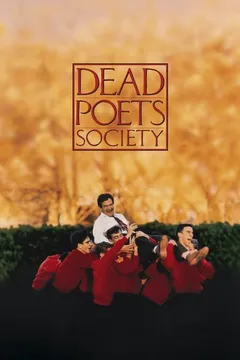
Dead Poets Society
Dead Poets Society has a great premise and a story worth telling, and I can see why it landed the way it did in its time. Watching it now, though, it does not hold up. The film is cliche and at times cringey, and there were stretches I ended up skipping through. Robin Williams is excellent, of course. As John Keating, the English teacher who pushes his students to see the world differently, he is a likeable mentor and a great presence in every scene he is in. Ethan Hawke, as the shy Todd Anderson, and Robert Sean Leonard, as Neil Perry, both do fine work. They were relatively unknown at the time and are much bigger names now, but neither stood out to me here. What kept it from resonating is the casting of the students. They look like grown men playing high schoolers, and that made the poetry readings, the sneaking out at night and the rowdier schoolboy antics hard to buy. At points it was simply a hard watch. The poems themselves carry a good message, but the film leans on them so heavily that it turns corny. It was a good film for its time, but the years have not been kind to it.
Released

The Devil Wears Prada
The movie flows really well. Anne Hathaway's character starts out knowing nothing about the fashion industry and ends up with real respect for it, without losing who she is along the way. That balance is hard to write, and the film gets it right. It never sneers at the industry, and it never asks her to sell herself out to be taken seriously in it. The more her character gets attacked, the clearer she becomes about herself. That is the actual arc, and it is why the ending works. When she finally walks away it reads as her having figured out what she wants rather than as the plot needing somewhere to stop. Meryl Streep is excellent, and the supporting cast holds up its end throughout. Streep in particular plays someone who could easily have been a caricature and instead is genuinely formidable. You understand why people put up with her, which is the part most films like this get wrong. The screenplay is great, and setting it in New York gives the whole thing a vibe that carries the film. The city is doing real work here rather than sitting in the background.
Released

The Devil Wears Prada 2
This one does not capture what made the first one work. Anne Hathaway's character has strayed far from what the original was about, and the entire development track that made her worth following is simply gone. The first film was about someone finding out who she was under pressure. This one starts with that question already answered and never finds a new one to replace it. The plot is scattered on top of that. It moves between threads without committing to any of them, and Emily Blunt's character is reduced to a side plot when she should have been closer to the centre. She was the most interesting person in the original and here she is given almost nothing to do. Meryl Streep's character takes a complete 180 into a loss of control, which undoes the exact thing that made her interesting the first time around. The whole point of her was command. Taking that away does not deepen the character, it just removes her. It felt like a movie that did not need to exist, made mainly to service the brands sponsoring it. The 6.0 is what is left over once you set the original beside it.
Released
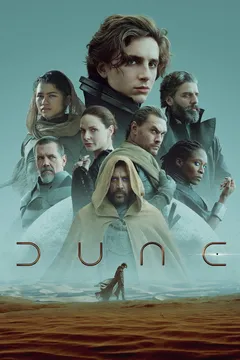
Dune
World building at its finest. The film takes its time making the place feel real before it asks you to care about anyone standing in it, and that patience is exactly why it works. You understand how the world runs, who wants what and what it costs, long before the plot demands anything emotional from you. Great performances throughout, particularly from Oscar Isaac and Jason Momoa. Both of them do a lot with limited screen time, and they make you feel the weight of a house and a history rather than just playing characters in a story. It is very much a first half rather than a complete film, and I understand why that frustrated some people. It did not bother me. What it sets up, it sets up properly, and the scale of it is earned rather than announced.
Released
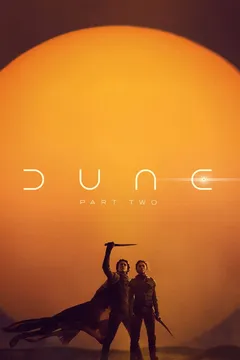
Dune: Part Two
A great payoff to everything the first film set up, and specifically to the reverence built up around Paul Atreides. The first movie showed you a prophecy. This one shows you what happens when people decide to believe it, and it does not flinch from how ugly that gets. The ending is unbelievable. It commits to something much darker than a blockbuster of this size usually would, and it does it without softening the landing or leaving an easy way out. The world building keeps you in awe throughout, and the cinematography is classic Villeneuve: huge, patient, and willing to hold on emptiness until it means something. The scale never feels like spectacle for its own sake. Between the two, this is the one that justifies the whole project. The first film built the machine; this one turns it on and lets you watch what it does.
Released
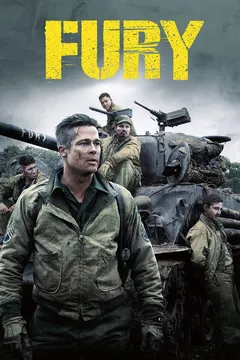
Fury
A solid action movie, with great performances across the board rather than one lead carrying everything. Every member of the crew feels like a specific person with their own reasons for still being there, which matters in a film that spends most of its runtime in one confined space. The plot is captivating and built around self-sacrifice. That is the spine of it: what people give up for each other when there is no good outcome left, and whether any of it counts for anything. The film keeps asking that without giving you a clean answer. The action sequences are strong throughout. They are close, loud and claustrophobic rather than wide and heroic, and the film is better for keeping you down inside the tank instead of pulling back to show you how the battle is going.
Released
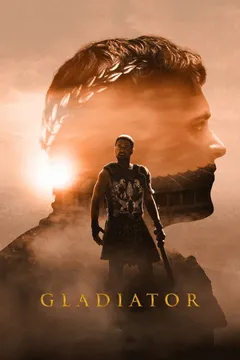
Gladiator
One of the greatest films of all time, and it has kept its rewatchability completely. I have seen it many times and it still holds, which is the real test. Plenty of great films are great exactly once. The iconic scenes are iconic for a reason. There are moments in this that have been quoted and referenced so heavily they should feel worn out, and they do not. They still land because the film earns them properly rather than staging them to be memorable. The story is captivating through and through. It is a simple structure, a man losing everything and working his way back toward the person responsible, but it is executed with enough conviction that the simplicity becomes a strength rather than a limitation. And the Hans Zimmer score is unbelievable. It does an enormous amount of the emotional work, to the point where hearing a few bars of it out of context brings the whole film back.
Released
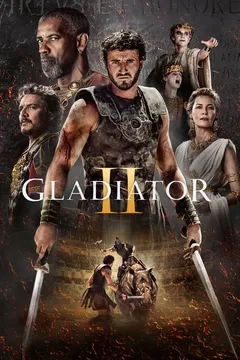
Gladiator II
Watched in theatres, and I came out disappointed. The premise is the best thing the film has: that he is Maximus's son. It makes sense, it connects the two films properly, and it should have been the whole movie. Instead you get a quick backstory. He is living in another country, his wife is killed, and the film moves on. That is lazy. It takes the one idea genuinely worth building on and clears it out of the way in a few minutes so the plot can get moving. Pedro Pascal's character is wasted in the same way. There is a general there worth watching, someone who could have carried real weight against the lead, and the film never gives him the battle sequences or the screen time to become anything. The shape of it is a repeat, too. The hero clawing his way up from the ground again is a climb we already watched once, done better, with more at stake. Doing it a second time with a different face does not make it new. 6.0, and a good part of that is nostalgia for the first one rather than anything this film managed on its own.
Released
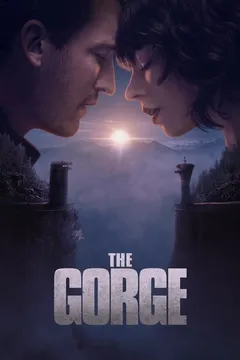
The Gorge
A solid movie for streaming. Anya Taylor-Joy and Miles Teller are both good in it, and it keeps you hooked further in than you expect going by the setup. The story is intriguing, and the relationship between the two of them actually lands. It is not just filler between the action, which is more than this kind of film usually manages. The stretch where the whole thing rests on the two of them is the best part of the movie, and it works because they are given room to be people rather than just being in danger. It does go further into science fiction than the premise suggests. That is not really a complaint, more a warning about what you are getting. The film starts as one thing and becomes another, and how much you enjoy the back half depends on whether you wanted that. Worth putting on at home. Not something you needed to see out, and it does not pretend otherwise.
Released
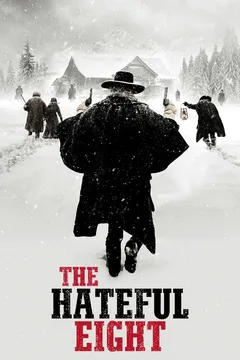
The Hateful Eight
It is a long film, and it is split into chapters rather than pretending otherwise. I appreciated that. It tells you up front what kind of experience this is going to be instead of disguising the runtime. That structure works. The deeper in you get, the more hooked you are, because the film is slowly narrowing rather than expanding. Almost all of it happens in one room with a fixed group of people, and the interest comes from working out who is lying and how long they can keep it up. It is talky, and the talk is the point. Long stretches are just people circling each other verbally, and the tension comes from knowing that it cannot stay verbal forever. The ending does not disappoint after all that buildup, which is the main risk with a film structured like this. It pays off the patience it asks for.
Released
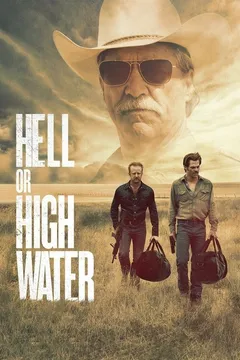
Hell or High Water
Solid all the way through. The performances carry it and the storyline never sags, which is not easy for something this stripped down. There is not much here beyond a few people, a stretch of road and a plan that is going wrong. What it does best is momentum. The chase and the action keep you engaged the whole way, and it never feels like it is padding out the runtime to get where it is going. Every scene is either moving the thing forward or telling you something about who these people are, usually both at once. It also understands that the pressure comes from the situation rather than from noise. The tense stretches are tense because you can see what is about to go wrong before the characters can, and the film lets you sit in that.
Released
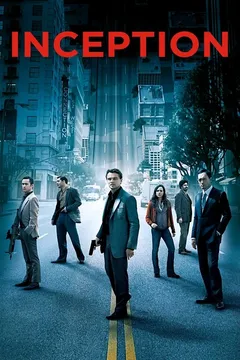
Inception
The Hans Zimmer score is unbelievable, and it is the thing I come back to most from this film. 'Time' is one of my favourite scores of all time. It is a simple piece that builds and builds without ever really resolving, and it does more emotional work in its last minute than most films manage across two hours. It has been used and reused everywhere since, to the point of cliche, and it still gets me every time. The film around it holds up too. It is a complicated premise explained clearly, which is harder than it sounds, and it stays coherent even when the structure is folding in on itself. But the score is what stays with me.
Released
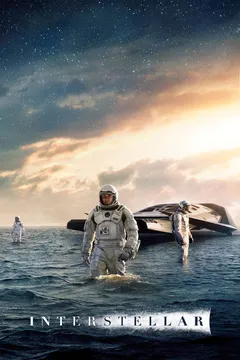
Interstellar
The Hans Zimmer score is unbelievable and does half the work on its own. The organ is such a strange choice for a space film and it turns out to be exactly right. It makes the scale feel religious rather than technical. One of the great films, and genuinely mind-bending in its ideas. It asks you to hold onto some difficult concepts while it is also asking you to feel something, and mostly it manages both. But what actually holds it together is the story of a father and his daughter. The scale, the science and the time only land because they are measured against that one relationship. The famous sequences work because of what they cost him in years he cannot get back, not because of what is happening on screen. That is the trick of it. It looks like a film about space and it is really a film about time running out on the people you love.
Released
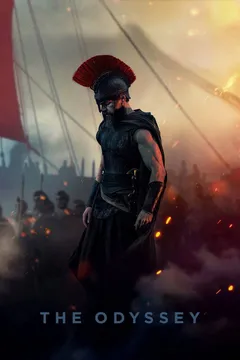
The Odyssey
Seen in 70mm in its first week, which is the way to do it. The format is doing real work here. The scale of the landscapes and the sea is a large part of the experience, and it would shrink considerably on anything smaller. Really good, and really well paced. You never feel bored at any point. The story moves from arc to arc and no arc gets shortchanged on the way through, which is the hard part with source material like this. It would be easy to rush the middle to reach the ending, and the film does not. Matt Damon gives an incredible performance, and Anne Hathaway matches him. Both are playing people worn down by a very long wait, and that fatigue is what makes the reunion mean anything. The final action sequence is excellent and pays off his character's revenge properly rather than rushing it. It has been building for the entire film and it is allowed to take its time. My one wish is that we had seen more of the battle at Troy. It is mostly kept in the background, and while I understand that this is not that story, there was clearly an appetite for it.
Released
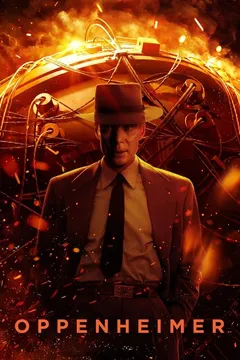
Oppenheimer
A solid movie. The story and the screenplay are what carry it, and both are really good. It is a long, dense, talky film that moves much faster than it has any right to, mostly because the writing never lets a scene sit longer than it needs to. Cillian Murphy is excellent in the lead, and the film gives him enough room to do something with it. A lot of the performance is reaction rather than action, watching him slowly understand what he has done while everyone around him celebrates, and he carries that without overplaying it. It is as interested in the aftermath as in the build, which I appreciated. The easy version of this film ends at the test. This one keeps going into the part where the man has to live with it, and that is the more difficult and more interesting half.
Released
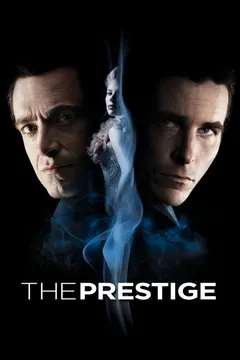
The Prestige
A really good movie, and one of the greatest twists of all time sits at the end of it. What makes it work is that the film is about misdirection, so it is doing to you exactly what the characters are doing to each other, and it tells you as much in the opening minutes. My one complaint is that it goes further into science fiction than I wanted it to. That is a matter of taste rather than a flaw, since the film is upfront about where it is heading, but it did pull me out slightly. I preferred it when the answers were still obsessive craft rather than something stranger. Beyond that the story is strong and it keeps you captivated the whole way through. The structure is doing constant work, jumping between timelines and journals in a way that should be confusing and never is. Obsession is the real subject, and the film is honest about the cost of it. Neither man is a hero, and by the end you are not entirely sure which of them you were supposed to be following.
Released
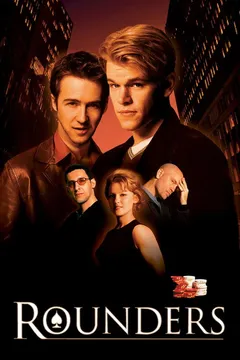
Rounders
My favourite poker film, and it holds up. Matt Damon is great in it, and the film follows him properly through both the highs and the lows of the game rather than only the hands he wins. It understands that the interesting part is not the big pot, it is the grind around it: the discipline, the bankroll management, the decision to walk away or not walk away. It also gets the reading of people right, which most gambling films skip. The tells, the pressure, the way a table changes when someone realises they are being played. You do not need to know the game to follow it, but if you do know the game it rewards that. The lows are what make it work. Plenty of films about gambling are really about winning. This one is honest about what it costs.
Released
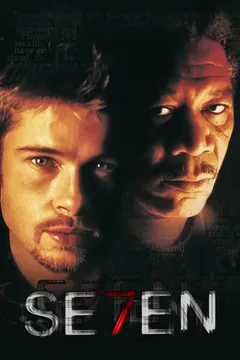
Se7en
A great detective story, and Brad Pitt and Morgan Freeman are both excellent in it. The pairing works because they are not just contrasting temperaments, they are contrasting beliefs about whether any of this can be fixed. The story builds properly instead of coasting on its premise. Each discovery tightens the thing rather than just adding another set piece, and the film is disciplined about how much it shows you. A great deal of the horror happens in the aftermath and in the descriptions rather than on screen, which makes it worse. The atmosphere does an enormous amount of work. The city is permanently wet, dim and worn down, and it never lets up, so by the final act you are as ground down as the people in it. And the climax is perfect. It is the only ending the film could have had, and it is still hard to watch.
Released
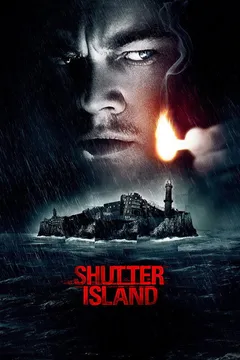
Shutter Island
One of the greatest plot twists I have seen, and the kind that keeps working after the credits roll. You spend the rest of the night retelling the story to yourself, going back through the scenes and seeing them differently. That is the mark of a good one. It does not just surprise you, it makes everything before it mean something else. The film plays fair, too. It is all there on a second watch. The question it leaves you with is the better part. How much did he know about himself, and when, and what does the last line actually mean about the choice he is making. I have gone back and forth on it and I do not think the film wants it settled. A great performance from Leonardo DiCaprio holds the whole thing up. He has to play a man being two things at once for most of the runtime, without letting you see the seam, and he does it.
Released
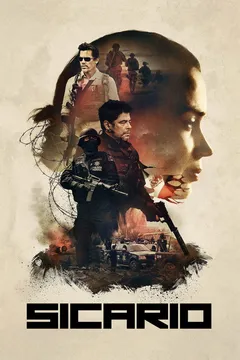
Sicario
Emily Blunt is excellent here, and the film gives her something worth playing: someone competent being deliberately kept in the dark, which is a harder thing to act than it sounds. The story is strong and the buildup is relentless. It keeps tightening the whole way through instead of releasing the tension early and coasting. There are long stretches where nothing is technically happening and they are some of the most uncomfortable parts of the film. The set pieces are exceptional, and they work because of how they are staged rather than how big they are. The border crossing sequence is mostly cars in traffic, and it is unbearable. It is also genuinely uneasy about its own subject. The film does not hand you anyone to root for cleanly, and it refuses to let the ends justify anything. That is what raises it above a good thriller.
Released
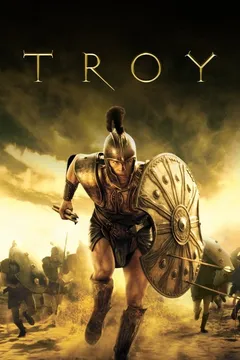
Troy
A great performance from Brad Pitt, and Eric Bana matches him as Hector. The film is at its best when it stays with those two, and their meeting in the third act is the part everybody remembers for good reason. The cast is unbelievable all the way down the list. It is genuinely stacked, and almost everyone is given at least one scene that justifies their being there. The battle sequences and visuals still hold up years later. The scale is enormous and most of it reads as physical rather than assembled, which is why it has aged better than a lot of films from the same period. What gives it weight is that Hector is written as the more sympathetic man. You are watching two people who both have reasons, and the film does not let you off with a simple side to be on.
Released

Up in the Air
The setup is unlike anything else in the genre, and that is a lot of the appeal. It finds a story in a job nobody would think to build a film around, and it uses that job to say something specific about how easy it is to keep everyone at a distance. Underneath the comedy it is really about a man living at arm's length from everyone, by design, and being quite proud of it. The film lets him be good at that for long enough that you start to see the appeal before it starts taking it apart. Watching him face that loneliness, and come through it, is what gives the film its weight. It is funnier than it sounds and sadder than it looks, and the balance between those is the thing it gets right. Clooney is well cast, and the supporting performances around him do a lot to make the whole thing land.
Released